
Projects Abroad and the Invention of Mass Overseas Volunteering
This book explores the origins and development of mass overseas volunteering through the story of Projects Abroad, the world’s first company to combine being a business with large-scale youth volunteering overseas. Written by the founder himself, it examines how a single entrepreneurial idea transformed international volunteering, youth travel, and development work across the globe.
The book offers insights into the creation and growth of a pioneering global business and the challenges of turning an unconventional idea into a successful enterprise. It explores how mass overseas volunteering disrupted the self-satisfied worlds of charities and governments involved with international development aid and introduced new ideas into youth travel and tourism. Through detailed case studies and candid accounts of both mistakes and achievements, the book shows how the reality of mass overseas volunteering overcame establishment obstacles and gave young people new opportunities worldwide.
Projects Abroad and the Invention of Mass Overseas Volunteering is intended for students and academics, as well as for professionals in tourism, travel, and entrepreneurship. It will also appeal to readers interested in international development aid and its associated charity sector and to a whole generation of volunteers and tourists.
Geography and Political Power: The Geography of Nations and States

Focusing on the relationship between geography and power, this book, originally published in 1990, isolates five sources of political power – might, right, nationhood, legality and legitimacy – and demonstrtes the centrality of geography to the argument of each case.
The author stresses the value of geographical expertise to political decision-making and illustrates this through the use of case—studies. His analysis of the sources of power goes deep into an understanding of politics and explores the implications for geography of political thought.
Manny Shinwell: A Biography
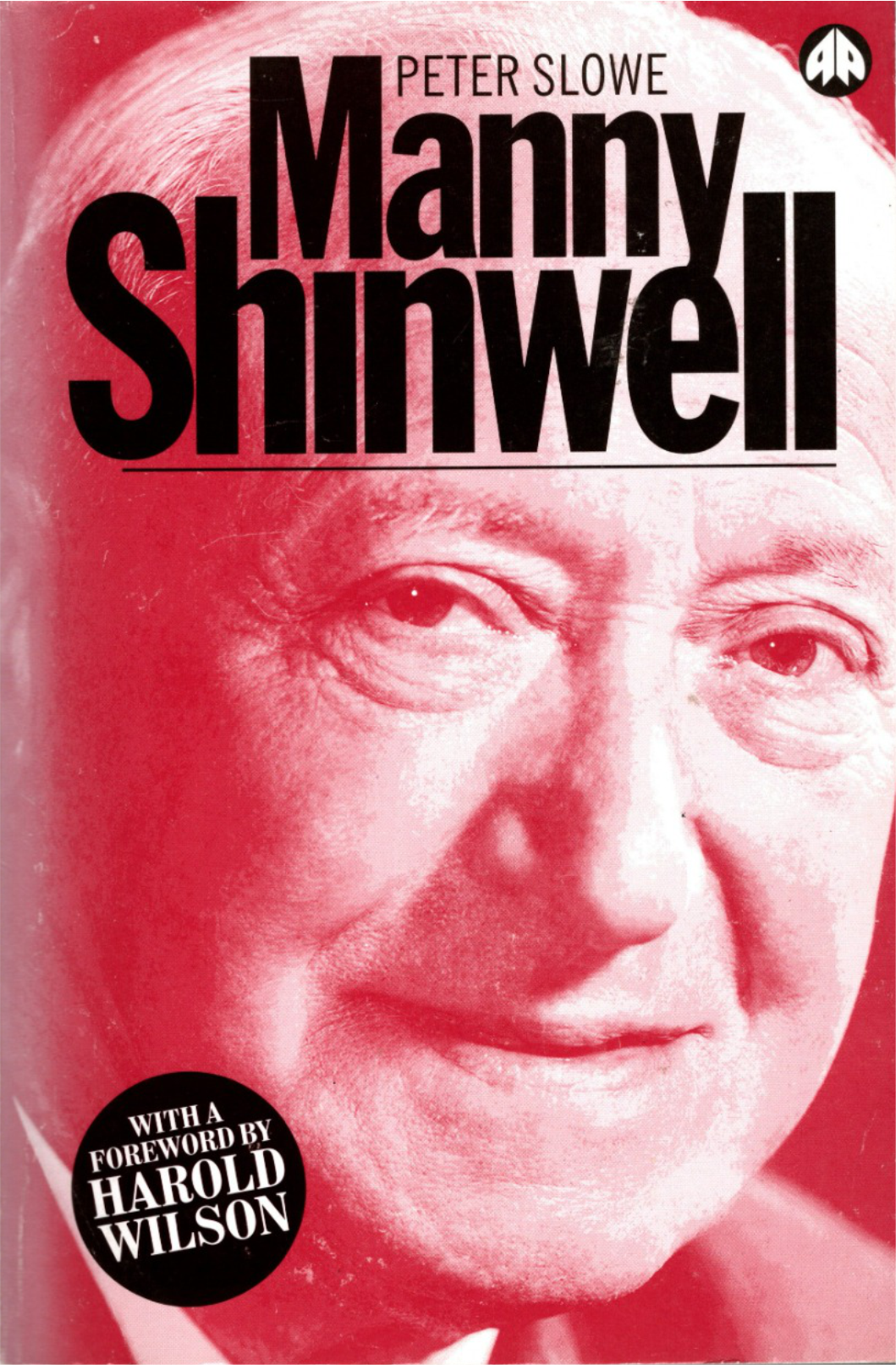
Discover the gripping life story of Emanuel “Manny” Shinwell, the radical street agitator who became an architect of modern British governance. Peter Slowe uncovers the complex man behind Britain’s most enduring political career, charting a 101-year journey that mirrors the rise, evolution, and transformation of the British Labour movement.
From his harsh childhood in London’s Jewish East End to his fiery days as a militant trade union leader in Glasgow, Shinwell’s life was defined by conflict, charisma, and conviction. Slowe provides unprecedented access to personal papers and private insights, revealing how a convicted wartime rioter transitioned into a formidable Secretary of State for Defence and Minister of Fuel and Power during Britain’s crucial post-WWII reconstruction.
Fields of Death: Battle Scenes of the First World War
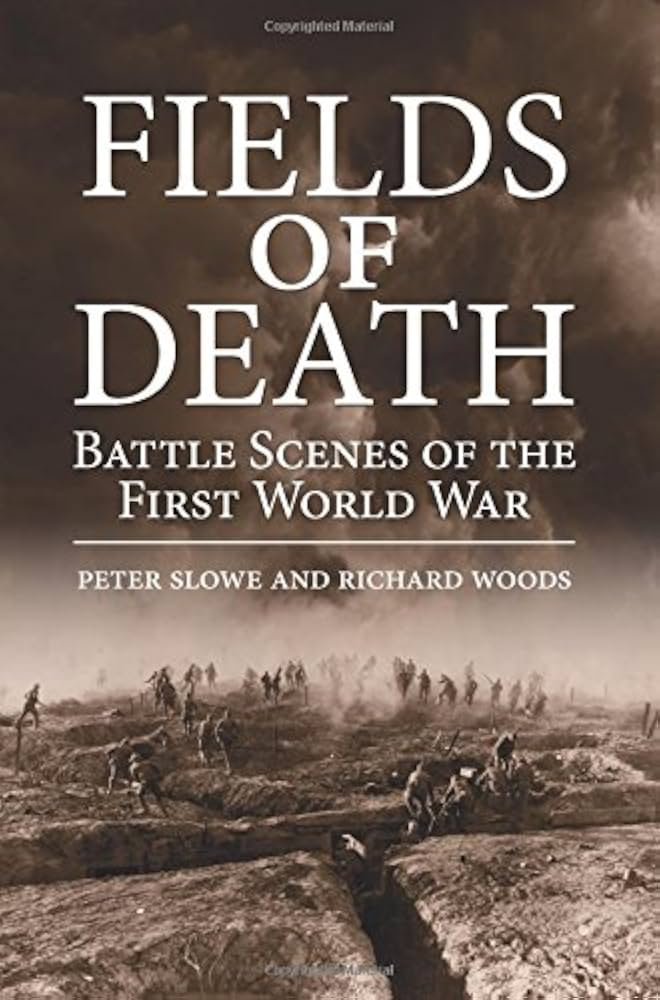
“Shell-fire was hellish all afternoon. . . the heat was intense. . . crouching in the trench, hugging the forward side, one could feel every moment small stones and lumps of earth ricochet off one’s helmet. Now and then one would be almost smothered by the parapet being blown in. The dirt flying about and the fumes from the lyddite added to our discomfiture.
During a bombardment one developed a craze for two water and cigarettes. Few could ever eat under an intense bombardment, especially on the Somme, where every now and then a shell would blow pieces of mortality, or complete bodies, which had been putrefying in no man’s land, slap into one’s trench. Shell-fire, too, always stirred up swarms of black flies, of which there was an absolute plague on the Somme battlefields. . .” —Captain Francis Hitchcock, Guillemont, 1916 An original and highly detailed approach to the history of World War I, combining contemporary accounts with a modern-day guide to the battlefields of the Western Front. This fascinating anthology provides a more authentic picture than any textbook could ever hope to give of the courage and the daily life of the men who served during World War I.
Battlefield Berlin: Siege, Surrender & Occupation, 1945
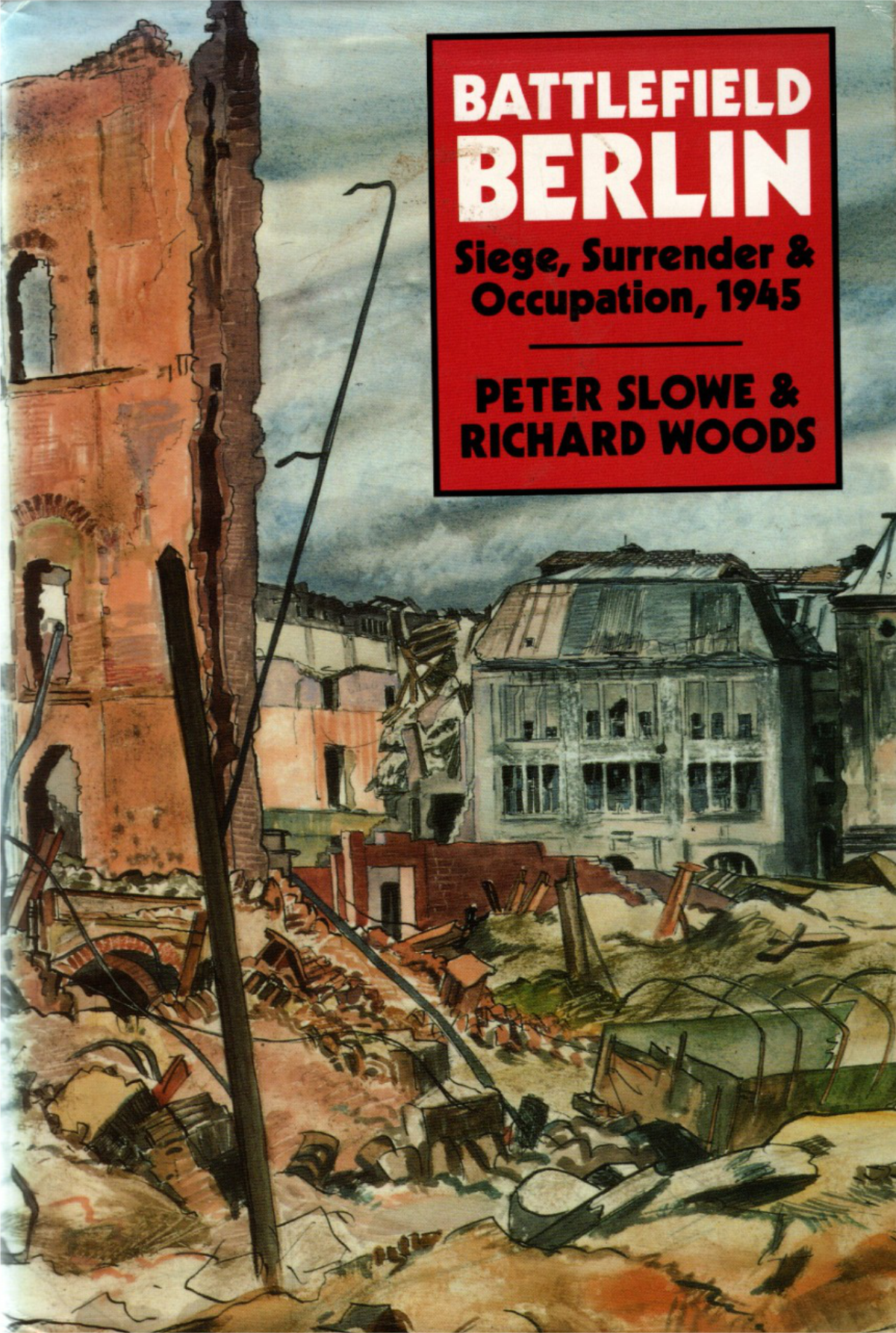
The Battle for Berlin 1945: The final chapter in the destruction of Hitler’s Third Reich began on April 16, 1945 when Stalin unleashed the brutal power of 20 armies, 6,300 tanks and 8,500 aircraft with the objective of crushing German resistance and capturing Berlin.
By prior agreement, the Allied armies (positioned approximately 60 miles to the west) halted Devastation in Berlin Soviet troops at the Brandenburg Gate their advance on the city in order to give the Soviets a free hand. The depleted German forces put up a stiff defense, initially repelling the attacking Russians, but ultimately succumbing to overwhelming force. By April 24 the Soviet army surrounded the city slowly tightening its stranglehold on the remaining Nazi defenders. Fighting street-to-street and house-to-house, Russian troops blasted their way towards Hitler’s chancellery in the city’s center. Inside his underground bunker Hitler lived in a world of fantasy as his “Thousand Year Reich” crumbled above him. In his final hours the Fuehrer married his long-time mistress and then joined her in suicide. The Third Reich was dead.
The Advance Factory in Regional Development
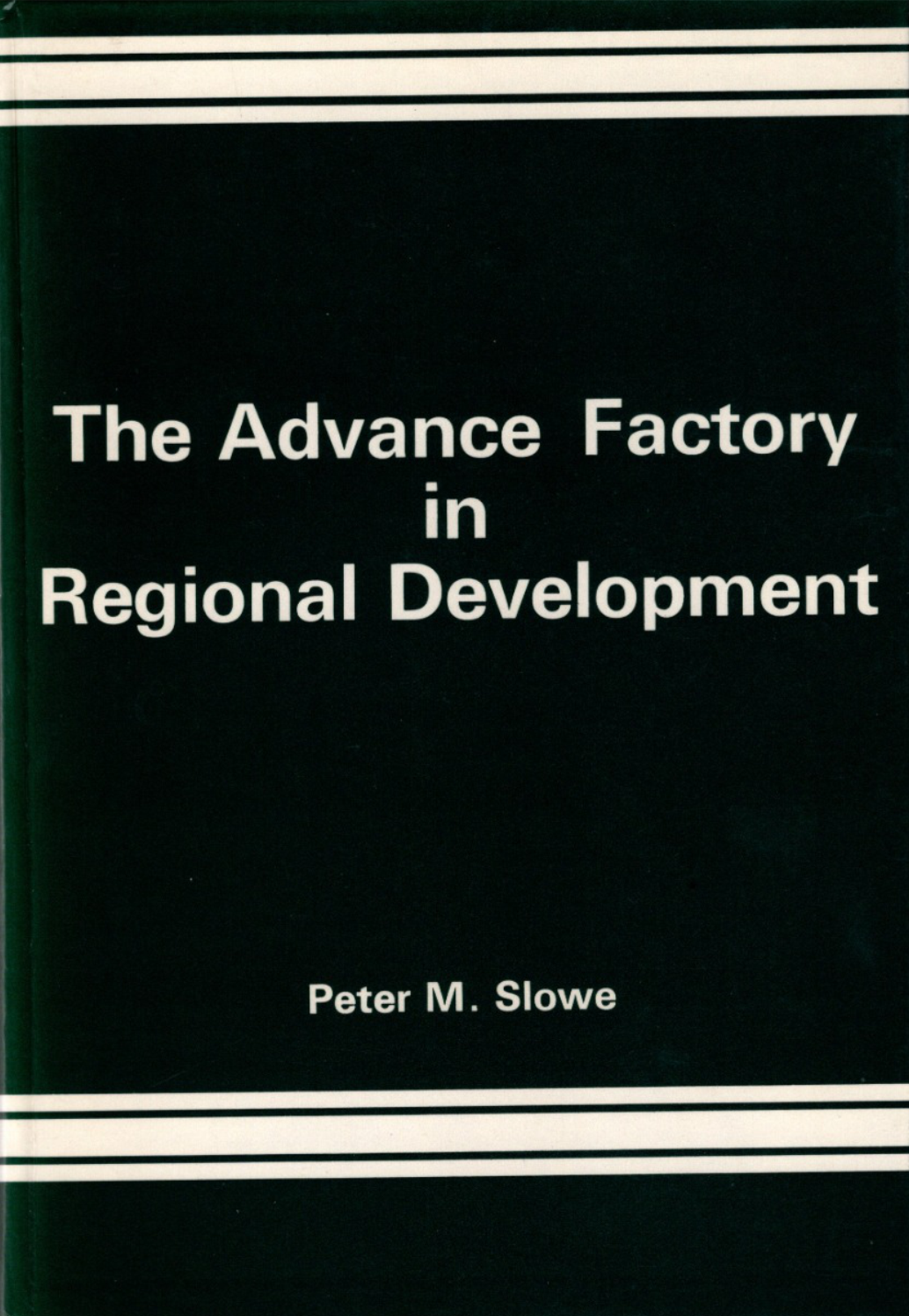
The Advance Factory in Regional Development is a seminal economic and geographical study that investigates the structural impact of “advance factories”—industrial spaces built by government agencies ahead of demand to attract investment—on regional economic planning and job creation.
Focusing primarily on post-war Great Britain, author Peter M. Slowe provides a comprehensive framework evaluating how state-led industrial infrastructure directly influences corporate location choices and shapes the trajectory of struggling regional economies.
Target Audience
This book remains a vital historical and structural resource for researchers in economic geography, regional policy planners, macroeconomic historians, and academic libraries focusing on British industrial policy